Survivors of Assad's prisons speak out about rape and torture
Asma, Yasmine and Houda were imprisoned in Bashar al-Assad's jails between 2015 and 2016. The three survivors have decided to speak out and challenge the taboo surrounding rape in Syria. They recount their experiences of sexual violence and torture — acts classified as war crimes and crimes against humanity. Since the fall of the "Butcher of Damascus" on December 8, 2024, they have been calling for justice.

In 2011, the Syrian people rose up against Bashar al-Assad's regime. It was the start of a deadly civil war. Across the country, thousands of men, women and children were arbitrarily arrested. Throughout the 13 years of conflict, rape and sexual violence were systematically used as weapons of war, regardless of age or gender. In this powerful documentary, Asma, Yasmine and Houda chose to share their stories with FRANCE 24 journalists Dana Alboz and Assiya Hamza, who travelled to Turkey and Syria to meet these "survivors".
Middle East

In 2011, when many Syrians rose up to contest Bashar al-Assad's unchallenged power, the regime arbitrarily arrested thousands of men, women, and children. In notorious detention centres, the regime used rape and sexual violence as weapons of war against Syrian women. (3/3)
Long read
Middle East
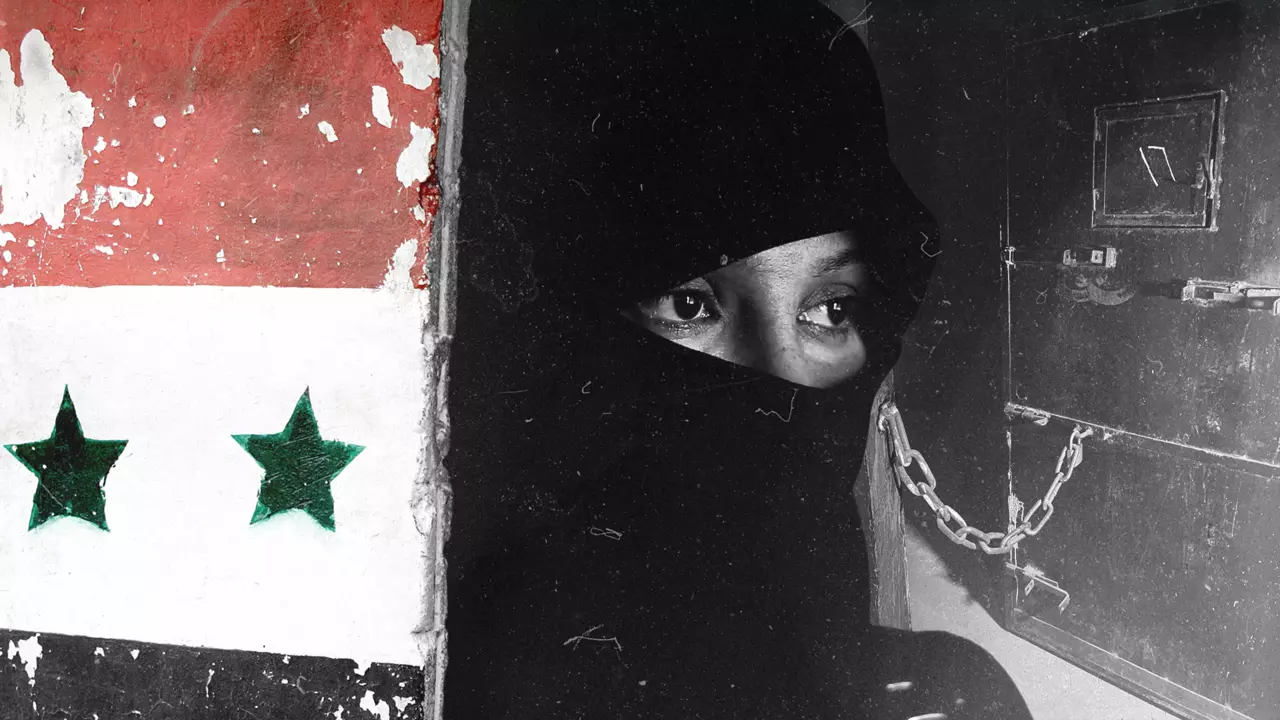
During the brutal 13-year Syrian civil war, Bashar al-Assad's regime imprisoned women for their real or presumed links to the “terrorist” opposition. Many endured rape, sexual violence, and torture during their incarceration. Here are the testimonies of some former Syrian women prisoners. (1/3)
Long read
Middle East

Branch 235, also known as the Palestine Branch, was one of the most notorious prisons run by the Syrian military intelligence services during the Assad era. Located on the outskirts of Damascus, its name, “Far Falastin", in Arabic, was enough to send shivers down the spines of Syrians. The prison’s labyrinthian underground chambers have yet to reveal all their secrets, which are critical for bringing justice and Syria’s future stability. (2/3)
Long read
Middle East